.jpeg)
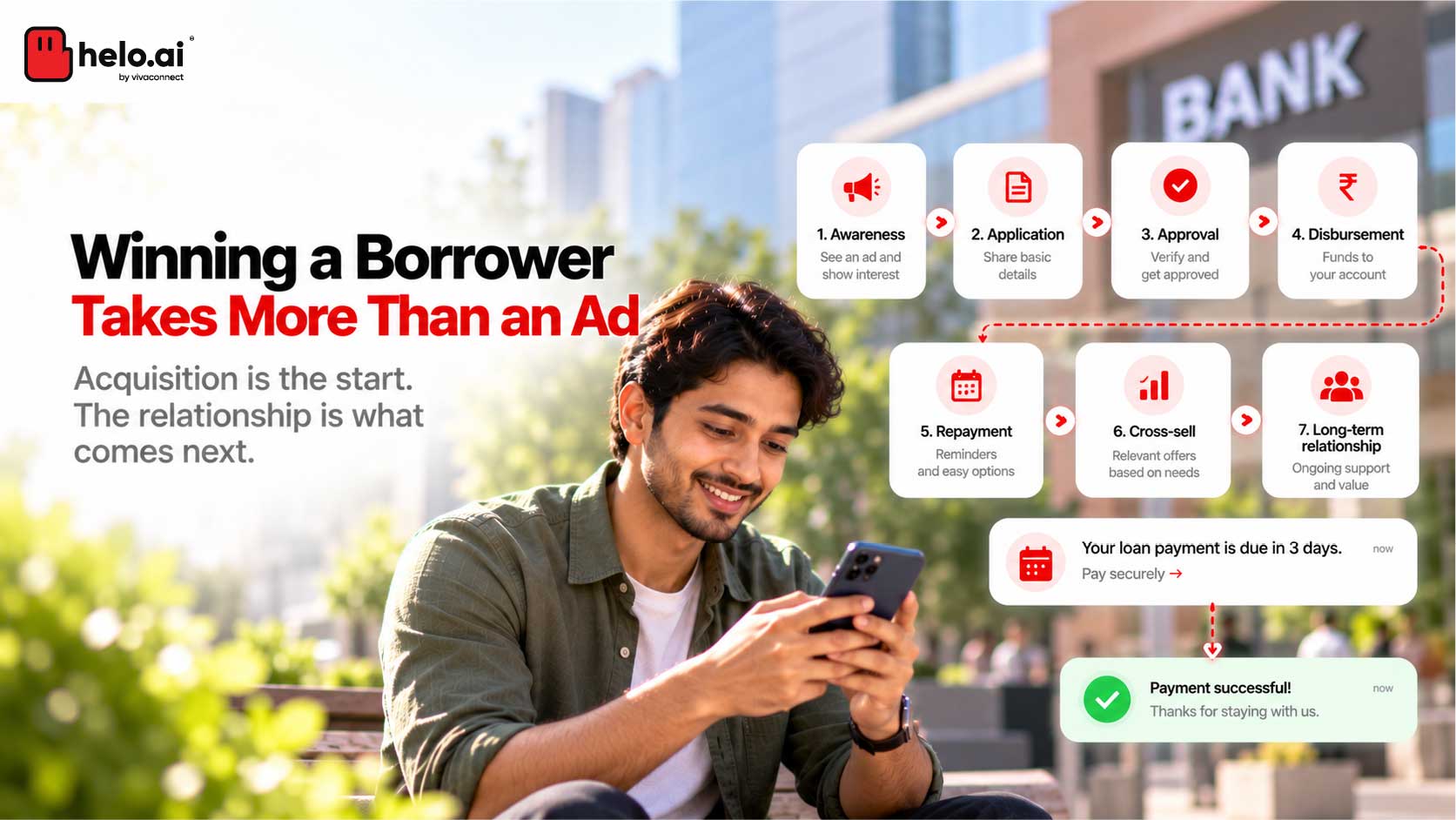


A lender can spend money attracting a borrower, only for that person to abandon the application, choose another provider or decide not to take the loan.
That creates a challenge for banks, NBFCs and fintech companies. They need to attract suitable borrowers without wasting acquisition spend, make the application process easier to complete and build relationships that last beyond the first loan.
India's digital lending market is expanding, and competition for customers makes these questions increasingly important. Although acquisition costs vary by lender and channel, one thing is clear: the number of leads alone does not tell lenders whether their marketing investment is working.
This offers a picture of a changing market, not direct evidence that acquisition costs are rising across the industry. For lenders, the practical challenge is to understand which channels attract suitable applicants and which turn that interest into completed, responsible lending relationships.
How are lenders responding to competition?
Lenders are responding in four ways: retention beyond the first loan, product fit, easier applications and better acquisition data.
1. Looking beyond the first loan
Winning a new customer does not guarantee that the customer will return. If borrowers move to another provider for their next credit need, lenders may have to spend again to acquire them.
Redseer Strategy Consulting's India's Digital Lending Report 2026: Value Beyond Acquisition examines the role of repeat borrowing and retention in digital lending growth.
Source: Redseer, India's Digital Lending Report 2026
For lenders, this means looking beyond new-customer numbers. They can examine whether customers return, which products meet their needs and whether those relationships remain sustainable over time.
Repeat borrowing should still depend on affordability, creditworthiness and the customer's actual needs. Retention is valuable only when the lending remains appropriate.
2. Matching products to borrower needs
Borrowers do not choose a loan based on price alone. They may also consider the amount available, repayment terms, eligibility, convenience and how clearly the offer is explained.
As digital lenders expand into different credit products, understanding the intended customer becomes important. A product designed for a small personal expense may not suit a small business that needs working capital.
Rather than competing for every application, lenders can focus on reaching customers whose needs match their products and lending criteria.
That also means explaining eligibility and loan terms clearly, without suggesting that every applicant will qualify.
3. Making the application journey easier
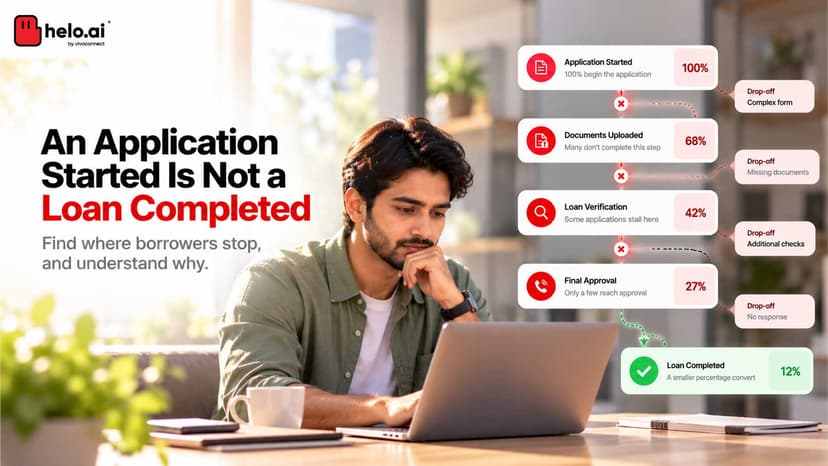
A borrower who is interested in a loan may still leave if the process is difficult to complete.
Long forms, unclear document requirements, repeated login attempts and uncertainty about application status are all areas lenders can investigate. These are possible sources of friction, not proven causes of abandonment in every lending journey.
Lenders can review where applications stall, which errors occur most often and whether borrowers understand what they need to do next.
Clear status updates and straightforward explanations can help customers navigate the process. They cannot, however, remove legitimate credit checks or guarantee approval.
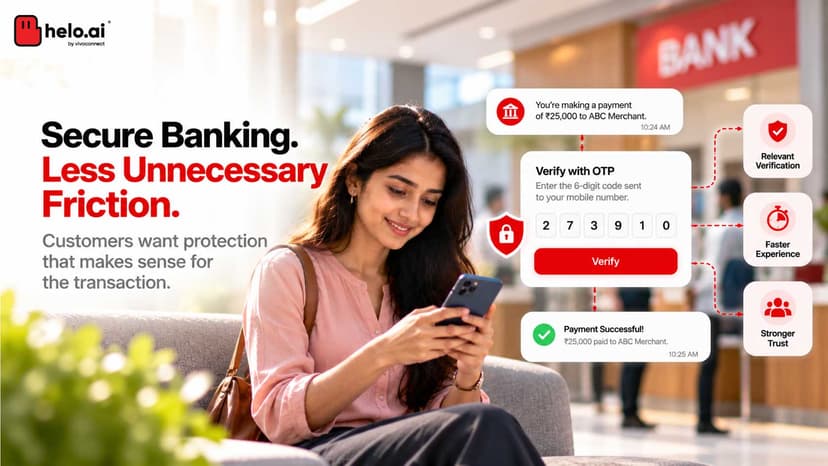
The Reserve Bank of India's Digital Lending Directions, 2025 set out requirements relating to disclosures, lending processes and borrower protection. Communication should support these responsibilities and help borrowers make informed decisions.
4. Using data to improve acquisition decisions
Marketing data may show which campaign generates the most enquiries. It does not necessarily reveal which campaign attracts suitable borrowers or leads to loans that perform well.
Lenders can compare acquisition channels with application completion, credit decisions, disbursement and repayment outcomes. This helps them understand the quality of the customers each channel brings in, rather than judging campaigns on lead volume alone.
Customer data must be used in line with applicable privacy, consent and regulatory requirements. Better measurement should support responsible lending, not simply more aggressive targeting.
What should lenders measure beyond cost per lead?
A low cost per lead can look attractive until many leads fail to complete an application or do not meet lending criteria.
Lenders should assess acquisition alongside the outcomes that follow. The measures below are a practical framework, not industry-wide benchmarks.
Measure | What it helps answer |
Cost per completed application | Are campaigns attracting people who finish the application? |
Cost per disbursed loan | How much does it cost to acquire a borrower who receives a loan? |
Approval and offer acceptance rates | Where do applicants stop, and are borrowers accepting the terms? |
Early repayment performance | Are newly acquired loans performing in line with risk expectations? |
Repeat borrowing and retention | Do customers return when they have a suitable future credit need? |
Customer queries and complaints | Are unclear terms, delays or process issues affecting the experience? |
These measures need to be considered together. A lower acquisition cost is not necessarily a better result if it brings weaker applications or higher servicing costs. A higher repeat-borrowing rate is not automatically positive if the lending is unsuitable.
The goal is to understand the full cost and quality of acquisition, not just the initial price of attracting a lead. Cost per disbursed loan is acquisition spend divided by loans disbursed, and cost per completed application uses completed applications instead.
Tracking acquisition and follow-up messages? The free CPaaS KPI Handbook explains 50+ WhatsApp, SMS and RCS metrics with formulas and worked examples.
Where does customer communication fit?
When borrowers have several providers to consider, the experience between enquiry and disbursement can influence how confidently they proceed.
Customers may need help understanding document requirements, checking application status or clarifying the next step. Accurate, timely communication can reduce uncertainty, provided it reflects the actual status of the application.
Where supported by integrations and approved workflows, Helo.ai's conversational and customer-engagement capabilities can help lenders manage borrower queries, follow-ups and communication across connected touchpoints.
These capabilities do not replace credit assessment, regulatory checks or responsible lending decisions. Their role is to help borrowers get relevant information and make the journey easier to navigate.
Want to support borrower queries more clearly? Talk to the Helo.ai team.
Sustainable growth goes beyond acquisition
Lenders cannot build a sustainable business by focusing only on how many people respond to a campaign. They also need to understand which borrowers they attract, where eligible applicants encounter difficulties and whether the resulting lending relationships perform well.
That requires looking at acquisition costs alongside application completion, loan quality, customer experience and appropriate repeat borrowing.
The goal is not simply to acquire borrowers more cheaply. It is to make every acquisition decision more informed, responsible and valuable over time.
Frequently asked questions
What is customer acquisition cost in lending?
Customer acquisition cost in lending is marketing and sales spend divided by the number of new borrowers acquired. Lenders can also track cost per completed application and cost per disbursed loan.
What should fintech lenders measure beyond cost per lead?
Lenders can measure cost per completed application, cost per disbursed loan, approval and offer acceptance rates, early repayment performance, repeat borrowing and complaints. A low cost per lead can hide weak applications.
Why is repeat borrowing important for digital lenders?
Repeat borrowing can reduce how often a lender must acquire the same customer again. Repeat lending should still depend on affordability and creditworthiness.