


Most D2C brands think conversion happens on the website. In reality, many conversions happen inside conversations.
A customer has a question about sizing. Another wants clarification on delivery timelines. Someone else is comparing products before placing an order.
At that moment, the customer is interested. They're engaged. They're considering a purchase.
The question is simple: how quickly do you respond?
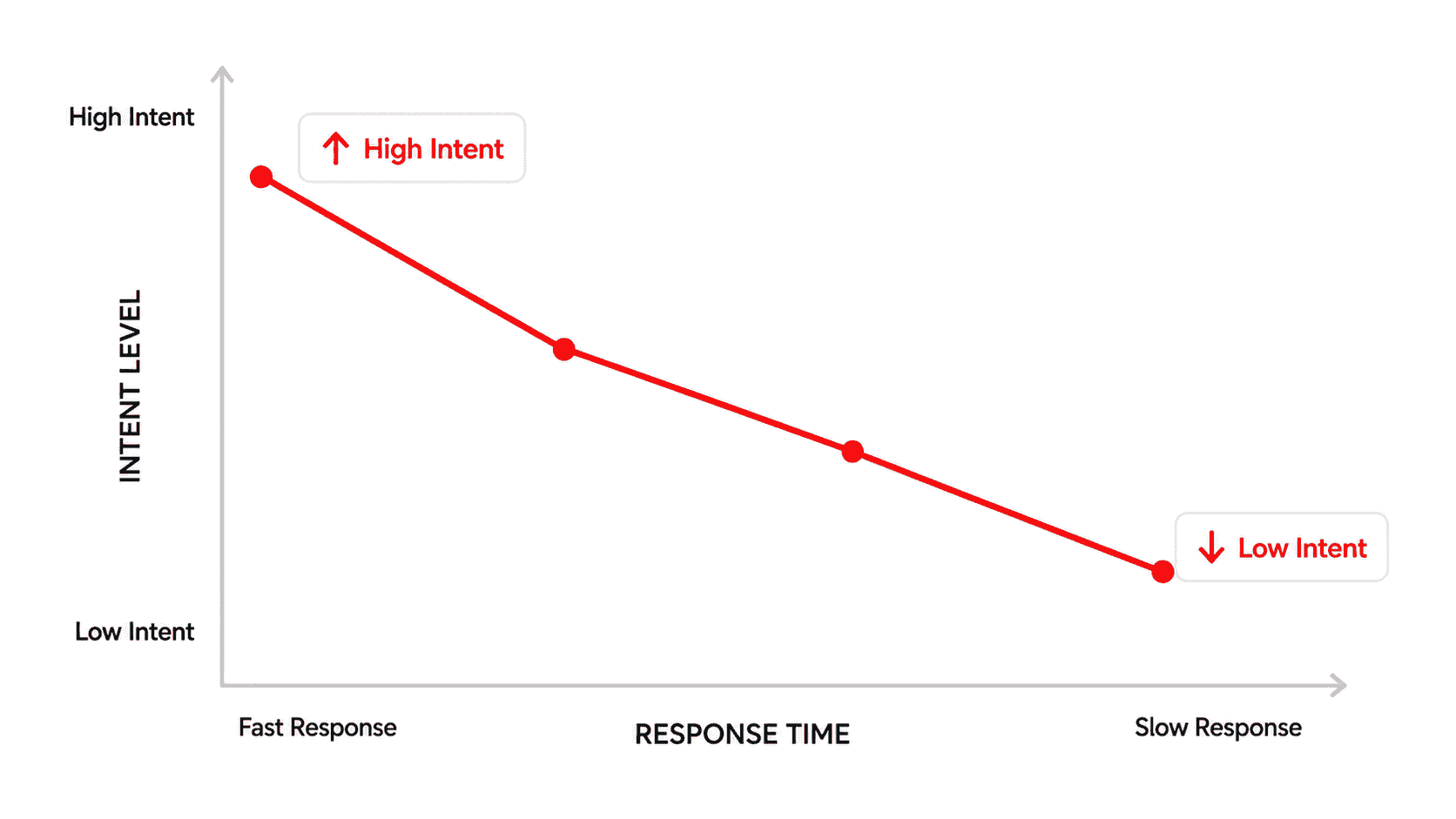
Understanding whether response time affects sales has become increasingly important for D2C brands because customer expectations have changed. Today's shoppers expect answers almost immediately. When replies take hours or worse, days purchase intent often disappears.
And when intent disappears, so does revenue.
Customers Don't Wait Like They Used To
A few years ago, waiting for a reply felt normal. Today, it feels frustrating.
Customers are used to instant information. They can compare products, read reviews, and find alternatives within minutes. If your brand takes too long to answer a question, they rarely sit around waiting.
They move on.
Often to a competitor who responded first.
The challenge isn't that customers are impatient. It's that alternatives are everywhere.
See how fast support directly impacts D2C sales in our guide: How Fast Customer Support Increases D2C Sales.
Every Unanswered Question Creates Purchase Friction
Customers usually reach out because something is preventing them from buying.
Common questions include:
- Is this product available?
- Which size should I choose?
- How long will delivery take?
- Can I return the product?
- Is COD available?
These questions may seem small. But for the customer, they represent uncertainty.
And uncertainty is one of the biggest conversion killers in ecommerce.
The faster a brand removes doubt, the easier it becomes for customers to complete a purchase.
Slow Replies Create Lost Sales
Many D2C brands think of support as a post-purchase function. In reality, support often influences pre-purchase decisions too.
Imagine a customer asking about a product at 2 PM. They receive a response at 8 PM.
What happened during those six hours?
The customer may have:
- Purchased from another brand
- Forgotten about the purchase
- Lost urgency
- Decided not to buy
The opportunity disappears long before the support team responds.
This is why slow reply lost sales are more common than many brands realize.
Speed Builds Confidence
Fast responses do more than answer questions. They build trust.
When customers receive quick, helpful replies, they gain confidence that the brand is reliable.
If support is responsive before the purchase, customers naturally assume the experience after purchase will be good too.
That confidence often becomes the final push needed to complete an order.
The opposite is also true. Slow responses create doubt about the entire customer experience.
Faster Support, Higher Conversion: The Connection Is Real
The relationship between support speed and conversion is surprisingly direct.
Customers who receive answers while they're actively shopping are far more likely to continue their buying journey.
The timing matters.
A response delivered minutes later helps customers maintain momentum.
A response delivered hours later often arrives after the buying decision has already been made.
Conversion is rarely just about the product. It's about reducing friction at the moment customers are ready to act.
According to industry data, ecommerce brands implementing effective chat and instant response tools see 7-25% sales lifts, with chat users converting at rates up to 4x higher than non-chatters. Returning shoppers using fast AI chat spend 25% more per order on average.
Customers Expect Conversations, Not Tickets
Traditional support systems were built around tickets and queues. Customers think differently.
They expect conversations.
Whether they're messaging on WhatsApp, using live chat, or reaching out through social channels, customers increasingly expect brands to be available in real time.
That doesn't mean every interaction requires a human agent. It means customers expect quick answers.
Brands that meet those expectations create better experiences and often see stronger conversion performance.
Learn why WhatsApp outperforms email for real-time D2C engagement in our guide: Why WhatsApp Works Better Than Email for D2C Brands.
Fast Support Scales Through Automation
One reason response times remain slow is volume. As brands grow, support requests increase. Hiring more agents isn't always practical.
This is where automation becomes valuable.
Frequently asked questions, order updates, product information, and common support requests can often be handled instantly through automated workflows.
The result is faster responses for customers and reduced workload for support teams. Most importantly, customers get answers when they need them—not hours later.
Explore proven automation flows for D2C support in our guide: Best WhatsApp Automation Flows for D2C Brands.
Conclusion
Slow replies don't just affect customer satisfaction. They affect revenue.
Every unanswered question creates uncertainty. Every delayed response creates an opportunity for customers to leave, lose interest, or choose a competitor instead.
The brands winning today are not necessarily the ones with the largest support teams. They're the ones providing fast, helpful answers at the moments that matter most.
Because in D2C, speed isn't just a support metric. It's a conversion metric.
Reply in Seconds with AI + WhatsApp
helo.ai helps D2C brands answer customer questions instantly through AI-powered WhatsApp conversations, helping reduce response times, improve customer experience, and recover conversions that would otherwise be lost.
Reply in seconds with AI + WhatsApp — book a demo.
FAQs
Does response time affect sales?
Yes. Faster responses help remove purchase friction, answer customer concerns, and improve the likelihood of conversion. Studies show chat and instant response users convert at significantly higher rates (up to 4x in some benchmarks).
Can slow replies lead to lost sales?
Absolutely. Customers often move to competitors or abandon purchases when they don't receive answers quickly enough. Momentum is lost, and alternatives are just a search away.
Why is fast customer support important for ecommerce?
Fast support helps build trust, improve customer experience, reduce uncertainty, and increase conversion rates. It turns potential friction points into confidence builders during the buying journey.
What response time should D2C brands aim for?
The ideal response time depends on the channel, but customers increasingly expect answers within minutes rather than hours. Real-time channels like WhatsApp can deliver near-instant responses that maintain purchase momentum.
How can brands improve support speed?
Brands can improve response times through automation, AI-powered support, live chat, self-service resources, and better customer communication workflows. WhatsApp combined with intelligent automation is particularly effective for D2C brands.

.jpeg&w=96&q=75)