

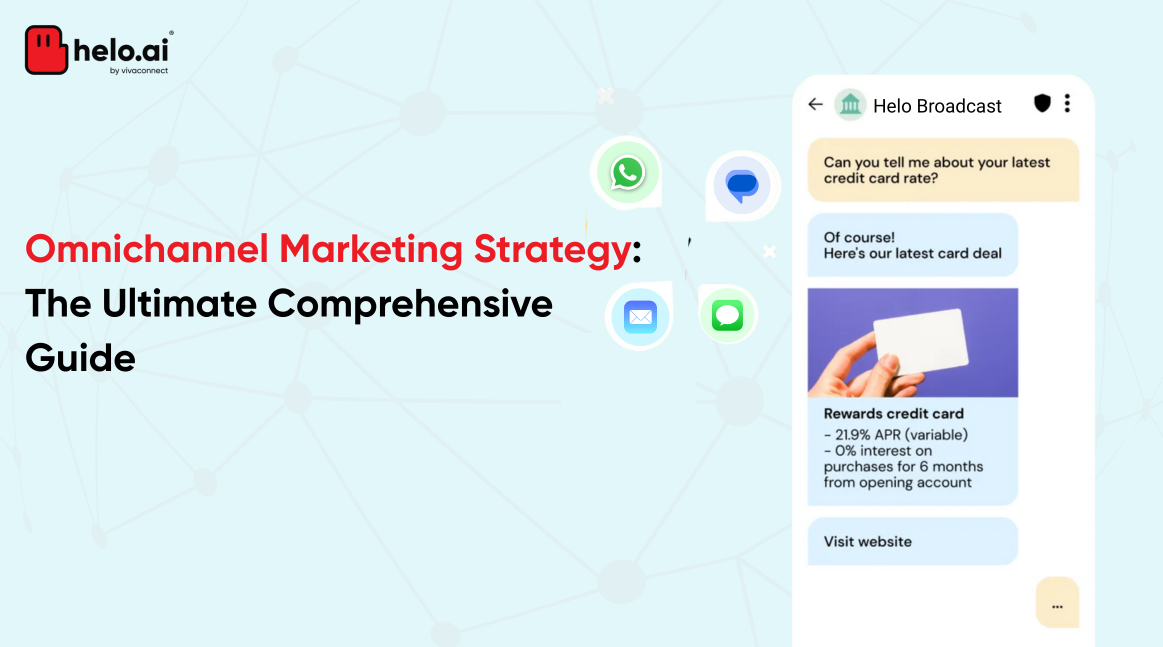


What is Omnichannel Marketing
Omnichannel marketing is a customer-centric strategy designed to deliver a cohesive and personalized omnichannel experience across every touchpoint. The central objective is simple: to ensure that whether a customer is browsing your physical store, navigating your website, or interacting with your mobile app, they receive the exact same service, messaging, and brand feel.
This approach places the customer at the core of all your marketing campaigns, ensuring a strong, unified brand identity that leads to significantly higher engagement and greater customer retention. Unlike disjointed multi-channel efforts, true omnichannel requires every channel to work together as one unified system, adapting seamlessly to the user's journey.
Key Features of Omnichannel Strategies
An omnichannel strategy focuses on delivering a seamless, customer-first experience across all channels. It ensures smooth transitions for customers and adapts to their changing needs. By using data from past interactions, it personalizes messages, making each communication timely and relevant, so customers feel understood and valued.
Key features of a strong omnichannel strategy include:
- Consistent Brand Identity: Your brand looks and sounds the same no matter where people see it. The tone and visuals always follow the same brand guidelines across every channel.
- Personalization: The message you send is matched to what each person likes or has done before.
- Seamless Integration: A customer can move from one channel to another, like from your app to the store, and not lose their place or progress.
- Data-Informed Content: What people see is based on their past actions and where they are right now in the buying process.
Omnichannel vs. Multichannel Marketing: Understanding the Core Difference
The words omnichannel marketing and multichannel marketing are used a lot. People often mix them up, since both use more than one way to talk to customers. But they each work in a different way. It is important to know how they are not the same, because it helps people succeed at marketing today.
1. Multichannel Marketing: The Channel-Centric Approach
Multichannel marketing is when a business talks to people using more than one way. It can be done through email, social media, a store you can visit, and a website. The business wants to reach their customers on the channels they use the most. This helps them get to know their customers in different ways and makes it easier for people to learn about what the business has to offer.
- Focus: The Channel. The main aim is to be where people are and to send out a message using different ways. The brand wants to show up on places like social media to connect with customers.
- Integration: Different channels work on their own. For example, your team for social media might be doing things that are not the same as your email team. They use their own information and have their own goals.
- Customer Experience: People may feel the experience is broken. A person can add a product to the cart when on his computer. But if they open the mobile app, there are no items in the cart and they have to start again. This way, the focus is more on the channel and not on giving a smooth customer experience to him.
2. Omnichannel Marketing: The Customer-Centric Experience
Omnichannel marketing is more than just a multichannel approach. It brings together every channel that you can use, online and offline. The goal is to make a connected and personal customer journey for everyone. In this method, the customer comes first. The focus is not just about the channels but about how people feel at every step.
- Focus: The Customer. The main goal is to give the customer one simple, smooth experience. No matter where they are, they feel like they are dealing with the same brand every time.
- Integration: Channels are fully connected and share data right away. What a customer does on one channel will quickly affect what happens in another. This makes it feel all together as one system.
- Customer Experience: The customer experience is smooth and always the same. For example, if someone leaves a shopping cart on the website, they can get a text or phone alert right away about that item. This makes it easy for them to go back and finish their purchase.
Key Differences at a Glance: Omnichannel vs. Multichannel
Feature | Multichannel Marketing | Omnichannel Marketing |
Primary Focus | Channel-Centric (Maximizing reach) | Customer-Centric (Optimizing the journey) |
Channel Operation | Channels operate independently (silos) | Channels are fully integrated and unified |
Customer Journey | Inconsistent and often fragmented | Seamless and cohesive across all touchpoints |
Data Usage | Data is siloed by channel | Data is unified for a single customer view (360°) |
Messaging | Can vary slightly between channels | Consistent tone, voice, and branding everywhere |
Goal | Increase brand awareness and individual channel sales | Boost Customer Loyalty, Lifetime Value (LTV), and Retention |
Click here for: Omnichannel vs. Multichannel: The Definitive Breakdown
How to create omnichannel marketing strategy
To build a strong omnichannel marketing strategy, start by focusing on your customers. Collect detailed data to understand their needs and behaviors, then use these insights to improve their experience across all channels.
Customer segmentation allows you to tailor messages for different groups. With the right tools, you can integrate your channels to create a seamless experience. Follow these steps to develop an effective strategy from the ground up.
Step 1. Audit and Centralize Customer Insights
To create a customer-first strategy, start by understanding your customers. Collect data and actively seek feedback to gauge their experiences with your brand.
Go beyond analytics—use surveys, read reviews, and organize focus groups. Evaluate your marketing and user experience from the customer's perspective to identify pain points and gain valuable insights into their needs.
To know more, collect feedback from the different areas of your business. This helps you see the whole story.
- Walk through the experience yourself: Buy a product and use customer service, so you can find any problems that customers might have.
- Listen to your customers: Ask people for feedback through surveys and read reviews. This helps you know what they like and what needs fixing.
- Talk to your teams: Get opinions from employees across all roles and channels, from cashiers to those who send emails. Use this feedback to make things better.

Step 2. Define Pain Points Through Data Analytics
Once you've gathered your research, review the data from the customer's perspective. Focus on what it reveals about their needs and preferences to shape your plan.
Avoid relying solely on personal experiences use data for clearer insights into customer behavior and to improve your marketing campaigns.
During your analysis, keep an eye out for:
- Customer Needs: What does the data show about what your customers want or need?
- Pain Points: Where do customers feel stuck or leave during their time with you?
- Behavioral Patterns: How does each part of your audience use your channels?
Step 3.Map the Customer Journey and Segment
Now that you understand your customers, use this insight to personalize your messages. An effective omnichannel strategy tailors communication to different customer segments based on their journey through your channels.
By mapping this journey, you can deliver relevant messages at the right time, guiding customers toward purchase. Personalization creates a genuine brand experience, strengthens relationships, and improves retention.
When you be ready to break down your plan for people, think about these points:
- Map the Customer Journey: Show the steps that different customer segments go through. Start with how they find out about you, and end with when they buy.
- Create Tailored Messages: Make your content speak to what each group wants and needs. This helps you connect in a better way.
- Guide Interactions: Use what you know to share messages at the right time and in the right spots. This makes sure the customer journey stays smooth for everyone.
Step 4. Implement a Unified Technology Stack
A strong omnichannel strategy blends big-picture vision with attention to detail. Make sure all channels deliver a consistent brand experience, online and in-store. Match chatbot tone to in-store staff and keep your website easy to navigate. Use customer engagement tools to unify digital and offline experiences, ensuring equal service quality everywhere.
Here are some logistical questions to consider:
- Brand Consistency: Do you keep the same way of talking in your emails and when you talk to people face-to-face?
- Ease of Use: Is it simple for people to get help from you or to buy something, no matter where they are?
- Tool Integration: Do you use the right omnichannel marketing tools to link your data and the ways you talk to customers, so everything works smoothly?
Step 5. Iterate and Measure ROI
An omnichannel strategy requires ongoing testing, measuring, and improvement. Regularly reviewing your campaigns lets you adjust based on real results and current customer needs, maximizing effectiveness. Continuous data analysis reveals audience preferences, helping you refine messaging, design, and spending for a better user experience and higher ROI.
To keep your strategy evolving, focus on:
- Continuous Testing: Keep trying out new messages, designs, and mixes of channels to find out what gives the best results.
- Performance Measurement: Check the main numbers that matter to see how well your campaigns are doing.
- Regular Optimization: Use what you learn from the results to make small changes. This helps you build better relationships with your customers.
How Omnichannel Marketing Enhances Customer Experience
Omnichannel marketing connects all channels to create a seamless customer experience. This strengthens your brand identity, builds trust, and makes shopping easier and more personalized. By taking a holistic approach, you boost satisfaction by anticipating customer needs and ensuring consistent interactions across every touchpoint.
Seamless Online and Offline Journeys
Omnichannel marketing enhances the customer journey by seamlessly connecting online and physical stores. Modern shoppers view all brand touchpoints as one unified experience.
An effective omnichannel strategy ensures customers can move smoothly between digital and physical channels for example, checking product availability online and picking it up in-store. This seamless experience improves convenience and satisfaction.
This mix of online and offline channels makes shopping easier and faster. It helps you to:
- Offer in-store pickup for people who order online. This helps them get their orders faster, and they can pick up items at a time that works for them.
- Provide real-time inventory information on your website for local stores. People can see which items are in stock, so they know if they can get what they want.
- Connect digital profiles with in-store experiences to give each person a more personalized service. When you know someone’s online choices, you can help them better in the store.
Personalization in Communication
Personalization is key to a strong omnichannel experience. Use data to send the right message to each customer at the right time—for example, reminding cart abandoners or offering discounts. Omnichannel strategies also improve support by giving teams access to chat history and purchases, allowing for tailored assistance without customers repeating themselves.
Building Trust Through Unified Messaging
Consistency builds trust with customers. A unified brand experience across emails, social media, and in-store signs shows reliability and professionalism. When your messaging follows the same guidelines everywhere, customers know what to expect, making them more likely to trust and stay loyal to your brand. This consistency is key to effective omnichannel marketing and customer relationship management, keeping your brand strong and memorable at every touchpoint.
Omnichannel Retail
Omnichannel retail combines online and in-store shopping, meeting modern customer preferences. Shoppers like browsing online for convenience but also enjoy visiting physical stores. Integrating both creates a seamless experience customers can check stock on apps, buy online and pick up in store, or shop directly. This unified approach attracts more customers and makes shopping smoother across all channels.
Omnichannel in Finance: Seamless Banking
The finance industry is embracing an omnichannel approach, shifting focus from products to customers. Banks now aim to provide a seamless, personalized experience across digital channels and branches. Customers expect easy access to banking services whether through apps, websites, or customer service. Omnichannel strategies ensure consistent brand experiences and tailored advice, strengthening trust and relationships in a reliability-driven industry.
Omnichannel for B2B: Smarter Buying
Many believe omnichannel strategies are only for retail, but they are valuable for B2B brands too. B2B buying is complex and often involves multiple decision-makers using different platforms. A unified experience streamlines the process and makes it easier for customers.
By sharing consistent, useful information across websites, LinkedIn, email campaigns, and virtual demos, B2B brands clarify their offerings and maintain a cohesive story. This smooth journey builds stronger relationships and demonstrates professionalism, helping companies close sales faster and increase customer loyalty.
Omnichannel in Entertainment: Better Experiences
The recreation and entertainment industry is about creating memorable experiences. An omnichannel strategy enhances this by connecting with customers at every touchpoint from buying tickets online to attending an event.
For example, a customer purchasing concert tickets through a mobile app could receive push notifications with event details, exclusive merchandise offers via email, and access to an interactive venue map on the day of the show. Integrating these interactions streamlines the experience, builds excitement, and fosters lasting brand loyalty.
Omnichannel in Food Service: Connected Dining
The food service industry uses omnichannel marketing to create a seamless, enjoyable customer experience. Coffee shops and fast-food chains often use mobile apps that connect online and in-store interactions, offering loyalty programs where customers earn rewards for all orders.
Features like order-ahead and easy pickup further link online and physical experiences, boosting customer retention. This approach encourages loyalty and helps brands stand out.
Omnichannel in Rideshare: All-in-One App
Rideshare companies excel at omnichannel experiences by centering their services around a mobile app. Users can book rides, pay, track drivers, check fares, leave reviews, and access customer support all within one platform. Support agents see trip details immediately, ensuring fast help. This seamless integration makes ridesharing simple and reliable, improving users’ daily lives.
Leading Benefits of Omnichannel Marketing
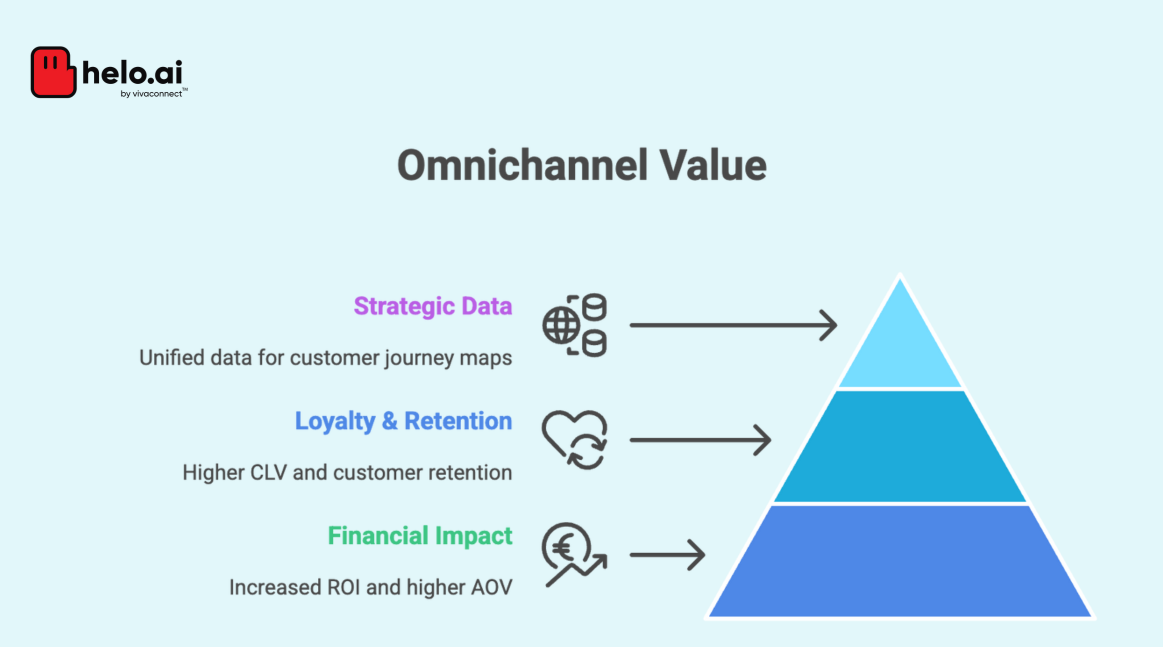
An omnichannel marketing strategy improves both customer experience and business results. Connecting and personalizing every step of the customer journey boosts ROI and engagement across all channels.
It also provides valuable customer insights, helping you refine your approach. When customers feel understood and valued, they become loyal and promote your brand to others. Here’s a closer look at these benefits.
Increased ROI and Conversion Rates
An omnichannel approach maximizes return on investment (ROI) by delivering a cohesive omnichannel experience, significantly improving customer retention and encouraging repeat purchases. Consistent, personalized interactions build trust and increase Customer Lifetime Value (CLV).
Consistent, personalized interactions build trust and make buying easier. For example, automated emails reminding shoppers of abandoned carts can recover lost sales.
Omnichannel strategies really help to increase revenue because they:
- Get people to connect with you across many places. This helps increase the value of each customer over time.
- Give people more chances to buy by making sure your brand stays fresh in their minds as they go through the customer journey.
Need a Custom ROI Projection? Contact our Strategy Team for a Personalized Consultation.
Improved Customer Insights
An omnichannel approach provides a complete view of your customers by tracking interactions across all channels. This unified data reveals the full customer journey, preferred channels, and effective messages.
It also shows how online and in-store efforts influence each other, giving you clear insights into what’s working. These insights improve marketing results and boost customer satisfaction, allowing you to create targeted campaigns and deliver experiences that meet customer needs.
Higher Engagement and Brand Advocacy
A smooth, personalized brand experience increases customer engagement and loyalty. Tailored interactions and simplicity encourage customers to connect with your brand. Implementing a loyalty or rewards program accessible across your app, website, and stores—strengthens this bond by making customers feel valued. Loyal customers not only choose your brand over competitors but also share positive experiences with others, boosting your reputation through powerful word-of-mouth.
Omnichannel Marketing Examples
Hearing about omnichannel marketing is one thing, but seeing it in action makes it clear. These examples show how top brands from coffee shops to clothing stores use omnichannel strategies to create smooth, simple customer journeys. Connecting channels turns the concept into a practical approach that boosts engagement and revenue.
1. Starbucks
Starbucks shows how a brand can do the omnichannel experience really well. Their mobile app works as the heart of their plan. Through it, people can use the loyalty program both in the app and in physical stores. This helps make every visit feel smooth and special for their customers.
One of the most common use cases is that you can reload your Starbucks card on your phone, your computer, or right in the store. The balance shows up in real-time on all your devices. Customers also get to use the mobile app to order and pay before they get to the store. This helps you skip the line. It gives you the feel of digital convenience while still letting you pick up your coffee in person.
When you use the app to pay, you get points in the rewards program right away. You can use these points to get free drinks. This setup keeps people coming back to Starbucks and makes everything feel easy and connected. The rewards program helps the whole experience feel smooth.
1. Pizza Hut drives 34% engagement growth with personalized omnichannel journeys
Pizza Hut shows how an omnichannel marketing approach works well. The brand wanted to keep customers coming back by offering personalized experiences. They tried to give messages that feel right for each person through their main ways of talking to people.
Pizza Hut did not stick to general marketing campaigns. Instead, they focused on making each message fit with what people want and need. Their plan helps customer retention, because people feel seen and understood.
Pizza Hut used real-time information about how people act to make its messages more personal. The brand sent the right message at the right time by using SMS, email, and push notifications. This helped connect with customers in a better way. Because of this focus, customer engagement went up a lot.
The results say it all. You can see the impact of using a good omnichannel strategy. A plan like this brings strong results when you do it well.
Category | Details |
Goal | Improve customer retention and loyalty by creating personalized customer journeys across SMS, email, and mobile push. |
Solution | Used real-time behavioral data to automate personalized communications and deliver targeted messaging at the right time. |
Results | Achieved a 15% SMS conversion rate and a 34% increase in engagement from loyalty campaigns. |
3. Nike increases revenue by 110% with AI-powered omnichannel automation
Nike uses AI marketing and omnichannel tools to give people a more seamless experience. The brand wants to boost customer engagement and help customer loyalty grow. Nike connects all its touchpoints, like email, web, and in-store visits. This way, customers feel that everything is linked and works well for them.
Nike uses AI-powered segmentation to create automated paths for customers. These paths depend on where a customer is in their buying journey and what they like. This helps the brand give each customer content that fits them at the right time. Customers feel like the brand knows them well. This smart way of using personalization can have a big effect on how much money the business makes.
The strategy led to a big rise of 110% in money made from automation. There was also a 32.5% jump in the number of people who visited the website. This shows that spending on advanced omnichannel technology can bring a lot of growth and help make the bond with customers stronger.
2. Walgreens
Walgreens is a great example of how an omnichannel strategy can work well in the pharmacy retail world. The company made a special mobile app to help customers have a better experience, especially when dealing with prescriptions. This app plays a big part in how they link their marketing channels together.
With the app, you can refill your prescriptions with just a few taps. Then, you pick them up at your local store. It helps you save time by making what is often a slow process much quicker and easier. Walgreens has made it simple for people to use both their digital and in-store services together.
The app also lets users see if an item is available at their local store before they go there. This makes life easier for people, because it saves them time and helps keep them from being let down. By doing this, the app shows it knows what customers want and works to improve the customer experience.
Trends in Omnichannel
Omnichannel Marketing is rapidly evolving beyond simply having a unified message across channels. The current and emerging trends are focused on leveraging advanced technology, particularly Artificial Intelligence, to deliver truly personalized, proactive, and seamless customer experiences that blur the lines between digital and physical commerce.
Here are the most significant trends defining the future of omnichannel marketing:
1. The Central Role of AI for Hyper-Personalization at Scale
Artificial Intelligence (AI) is no longer a futuristic concept; it is the engine that powers modern omnichannel strategies.
- Predictive Customer Journeys: AI analyzes vast amounts of cross-channel data (website clicks, in-store purchases, chat logs, email opens) to predict a customer's next likely action. This allows brands to move from reactive to proactive marketing, delivering the right message on the right channel before the customer even asks.
- Agentic AI for Real-Time Decisions: The newest evolution, Agentic AI, allows systems to make autonomous, real-time decisions about channel orchestration. For instance, if a customer browses a product on the app but doesn't buy, Agentic AI can instantly trigger a personalized ad on social media while ensuring the next email they receive is a helpful product guide, not a simple "Buy Now" pitch.
- AI-Powered Conversational Commerce: Sophisticated AI chatbots and voice assistants are moving beyond simple FAQs. They now handle complex tasks like order modifications, personalized product bundling, and cross-channel support, acting as a customer's personal, 24/7 shopping assistant.
2. The Move to Unified Commerce
While Omnichannel is a strategy, Unified Commerce is the technological infrastructure that makes it seamless.
- Breaking Down Silos: This trend focuses on moving from separate systems (e-commerce platform, POS system, CRM, inventory management) to a single, integrated platform.
- Real-Time Inventory and Fulfillment: A unified system ensures instant visibility of inventory across all locations (warehouse, store, in-transit). This enables critical customer experiences like:
- BOPIS (Buy Online, Pick Up In-Store)
- BORIS (Buy Online, Return In-Store)
- Ship-from-Store
- Consistent CX: By having a single source of truth for all customer data and operations, the brand ensures a uniform experience, reduces fulfillment costs, and lowers cart abandonment rates.
3. Immersive and Experiential Retail (AR/VR/IoT)
Brands are actively integrating immersive technology to bridge the gap between digital discovery and physical purchase.
- Augmented Reality (AR) Try-Ons: Using AR via a mobile app or website, customers can virtually try on clothing, place furniture in their homes, or test makeup, eliminating purchase guesswork and reducing returns.
- Experiential In-Store Tech (IoT): Physical stores are becoming digital hubs. IoT (Internet of Things) devices like smart shelves, interactive mirrors, and personalized digital signage (informed by a customer's mobile app history) create tailored experiences that were once only possible online.
- Visual and Voice Search: Optimization for visual search (e.g., uploading a photo to find a product) and voice commerce (e.g., asking a smart speaker to re-order a favorite item) is crucial for capturing new entry points into the customer journey.
4. The Data and Privacy Imperative
As the industry moves toward a cookieless future, the reliance on first-party data and transparent privacy practices has become paramount for omnichannel success.
- Customer Data Platforms (CDPs): Investment in CDPs is essential for gathering, cleaning, and unifying customer data from all touchpoints into a single, cohesive customer profile. This unified data is the fuel for AI and hyper-personalization.
- Ethical Data Exchange: Customers, particularly Gen Z, are highly conscious of data privacy. The trend is for brands to be transparent and offer a clear value exchange: customers willingly share their data (first-party data) in return for a demonstrably better, more personalized, and seamless experience.
- Multi-Touch Attribution (MTA): Sophisticated MTA models are being used to accurately credit every touchpoint (from a social ad impression to an in-store browsing session) in the customer's conversion path, providing a clearer ROI picture than simple last-click models.
In summary, the future of Omnichannel Marketing is defined by intelligent integration. It’s about creating a living, breathing ecosystem where technology works silently in the background to ensure the customer always feels understood, valued, and connected to the brand, regardless of where they are.
Conclusion
To sum up, it is important for businesses to know about omnichannel marketing if they want to do well today. When you use many channels and make sure customers get smooth experiences, brands can connect better, keep people coming back, and get more sales. A strong omnichannel strategy helps give people personal service on all the places they meet your brand.
This shows each customer you care and understand their needs. Now, as we go ahead in this digital time, using an omnichannel approach is not just something good to have. It is needed to do well. If you want to improve your marketing, contact us for a free talk. We can help you set up the right omnichannel strategies for your business.

Frequently Asked Questions
1.What challenges do companies face when implementing omnichannel marketing?
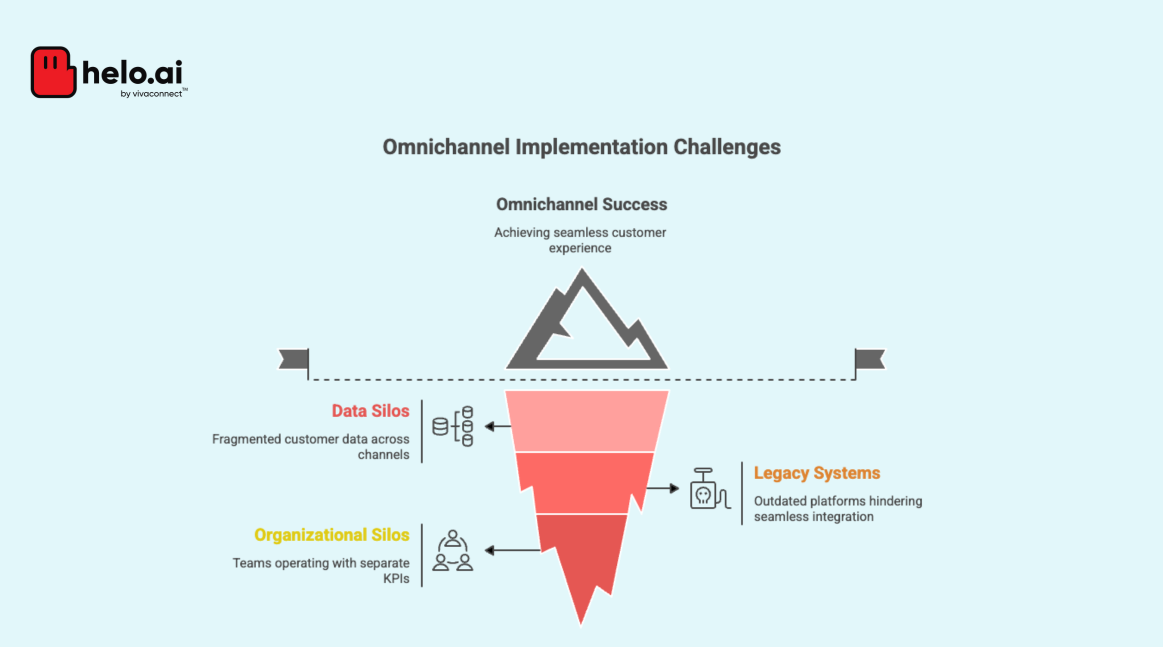
Many companies have a hard time bringing together data from various channels. This makes it tough to understand the whole customer journey. There are other problems too. One of them is trying to line up marketing campaigns across many parts of the business. Another is making sure that technology from one platform works well with the the others. It can be hard to spot pain points that the customers have. And it is also hard to fix them in a way that brings everything together.
2.How can a business get started with omnichannel marketing?
To start an omnichannel strategy, you need to look at customer data and study it well. It helps you understand where your customers go and what they want in their customer journey. After you learn about them, use the right tools to connect your marketing efforts. A good idea is to begin with two or three channels. Once you feel ready, you can use more channels to reach people.
3.Are there industries where omnichannel marketing is especially effective?
Yes, omnichannel marketing works well in places where customers’ buying steps are not simple. You see this in retail, where the process joins online shopping and in-store visits. It also helps in finance, as you get a smooth banking experience moving from web to local branches. Even B2B brands can get a good result using omnichannel marketing. A joined plan at many digital points brings all parts together.
4.Defining Omnichannel Marketing
Omnichannel marketing brings together all marketing channels. It helps build one united brand experience for every customer. This means that if people shop online, visit the store, or reach out to customer service, they get the same feel every time. The shopping experience is smooth, easy, and made for what they need.
5.What Does Omnichannel Marketing Mean in Simple Terms?
Omnichannel marketing is when all the ways you talk to people work together as one. This makes sure the customer's journey is smooth and easy. It helps you guess what customers need before they ask. That leads to a better user experience and more customer satisfaction. No matter how people get in touch with you, they feel like every way is connected and works for them. This is the heart of omnichannel marketing—a seamless experience that puts customer needs first.
6.Evolution of Marketing Channels
Marketing channels used to be only physical stores or print ads. Now, it is a mix of digital channels like websites, social media, and apps. The customer journey has become more complex because of this. So, brands try to bring all these touchpoints together. They do this to give the consumer a single, unified experience.
7.Omnichannel vs. Multichannel vs. Single-Channel Marketing
Single-channel uses just one platform. A multichannel approach means using different channels, but each one works on its own. The omnichannel approach brings all channels together. This gives users a seamless user experience. It helps the customer feel like their journey is smooth and connected, no matter which platform they use. This is about the user's experience, not just about the channel itself.
8. Advantages of Omnichannel Over Traditional Models
The omnichannel experience helps build customer loyalty and customer retention. It gives people a seamless experience when they interact with your brand. A journey that is always the same helps make your brand identity strong, and it makes people trust you more. Because of this, brands get higher revenue. They see better engagement and have a more dedicated customer base than brands that use the old way, where every part works alone.
9.Common Misconceptions About Omnichannel Marketing
Many people think that omnichannel marketing means you just use a lot of channels. The truth is, it's about making a unified experience for the customer. You do this by bringing together all touchpoints, and this means you use both online and offline channels. Omnichannel marketing is not just a digital marketing trick or tactic. It is really a holistic strategy built on knowing customer behavior and making things work together for everyone.
10.Importance of Omnichannel Marketing for Modern Businesses
For today’s businesses, omnichannel marketing is very important to meet what customers look for. It helps you make one strong brand experience that comes together on all marketing channels. This is good to build a loyal customer base and helps your brand stand out in a busy marketplace.
11.Why Businesses Are Adopting Omnichannel Tactics
Businesses now use an omnichannel approach in their marketing campaigns to improve customer engagement. They give a seamless customer experience, so people feel valued at every step. When companies pay attention to the customer experience, they build stronger ties with their customers. This can help boost loyalty and bring in more revenue and growth for their brand.
12.Channel Integration and Consistency
Channel integration and consistency are very important for a good omnichannel marketing strategy. You need to make sure that the messaging, branding, and the customer experience are the same on every platform. When you do this, it builds trust with people and helps make their time with your brand feel smooth. This leads to better engagement with your marketing strategy, and it can also help increase sales over time. A strong omnichannel marketing strategy brings all of these things together for the best results.
13.Real-World Examples of Omnichannel Marketing
Brands such as Nike and Starbucks show how omnichannel marketing works. Nike uses its app to give each person services made for them. Starbucks uses its mobile app to offer rewards to keep customers loyal. Both brands reach people on various platforms. These ways help get people involved and make more sales.
14.Omnichannel Strategies in Banking
Omnichannel strategies in banking bring together different ways people talk with the bank, like mobile apps, bank branches, and websites. The bank does this to make everything feel smooth and easy for the customer. When people get the same service and messages on all platforms, customer satisfaction gets better. A seamless experience helps people feel good, so they come back and stick with the bank. In the end, this also helps build strong relationships between banks and their customers.
15.E-commerce and Omnichannel Innovations
E-commerce and new ways of selling through various channels are changing the way shops work. These ways help connect different parts of shopping so they work well together. This makes the customer experience better, as people can have more personal service, and things run more smoothly. As technology keeps moving forward, businesses have to change how they work to stay good and keep up with others in this fast-changing market.
15.How can a business get started with omnichannel marketing?
To begin with omnichannel marketing, businesses have to look at the customer journey and understand what people like. After that, bring together all ways you talk with customers so there is a seamless experience for the user. At the end, use data to make marketing efforts feel more personal and check how things work on different platforms. This will help the company get better over time.
17.Are there industries where omnichannel marketing is especially effective? as numbers 29 and 30.)
Omnichannel marketing works very well in retail, e-commerce, and hospitality fields. The people who work in these sectors use various channels to give their customers a smooth and easy experience. This way, customer engagement and customer loyalty can get better. By bringing together both online and offline ways to interact, businesses can meet many different needs of their customers. This approach helps them understand and give good service to all types of people.
18.What are the 4 pillars of omnichannel?
The four main parts of omnichannel marketing are integration, customer experience, data management, and technology. Each part has an important job in making a seamless experience for people on various platforms. These pillars help to keep the messaging clear and the interactions feel personal all through the customer journey.
19.Is Coca-Cola omnichannel?
Coca-Cola uses an omnichannel marketing strategy. It links together many platforms like social media, retail stores, and direct-to-consumer ways. This helps give people a smooth and connected customer experience with the brand. You can talk with the brand at different places. The company makes sure you get the same feel with Coca-Cola wherever you find it, because of its strong omnichannel marketing strategy across various platforms.



.jpeg&w=96&q=75)