


Key Highlights
- Omnichannel marketing brings all marketing channels together, which helps create a seamless customer experience. A multichannel approach, on the other hand, uses each channel as its own tool and does not connect them.
- The big difference between the two is the customer experience. Omnichannel marketing gives customers a single, personal feel in every interaction. A multichannel approach is more about reaching as many people as possible through separate channels.
- Data integration and changing things in real time are important for good omnichannel strategies.
- Omnichannel marketing helps businesses get better customer engagement and build strong loyalty.
- Picking the best marketing strategy for your brand comes down to what marketing resources you have, what your customer expectations are, and your bigger business goals.
- To create the right marketing strategy, you must understand the customer journey and what people want.
Today, marketing strategy is changing fast. Brands want to meet customer expectations at each step. It is important to know how people go from first finding out about you to buying something. This is called the customer journey. If brands understand this, they can do well.
There are two important ideas here: omnichannel marketing and multichannel approaches. Some people use these words in the same way. But they are not the same thing. There are big differences between them. The choice you make changes how your brand talks with people. It also can change customer loyalty and your chance to grow.
In this article, you will get to know what is special about omnichannel marketing. You will see how it plays a big role in the customer journey. You will also learn how to pick the way that is best for your business.
What Is Multichannel?
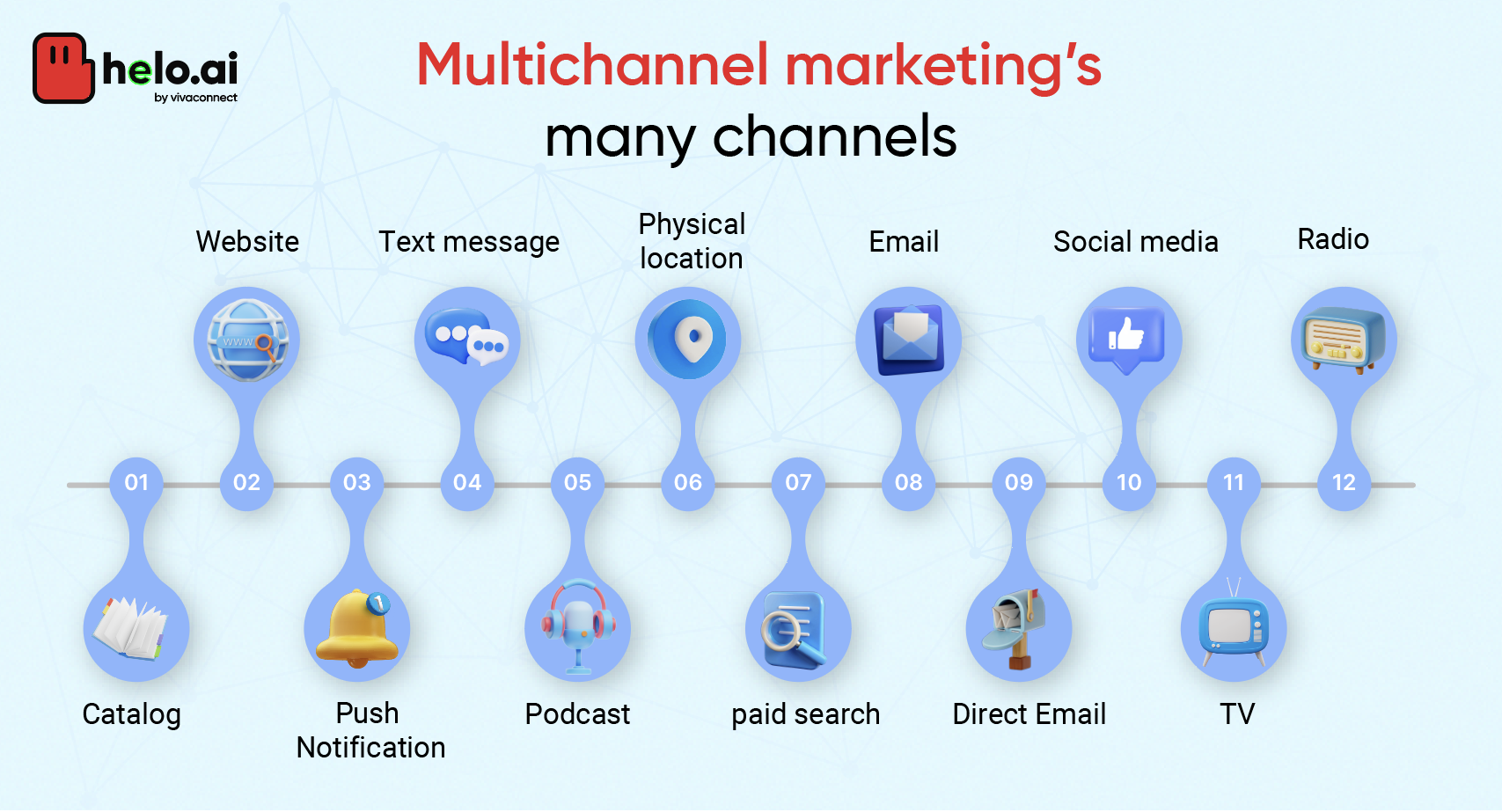
A multichannel approach means you use many ways to get in touch with customers. Some of these are websites, social media, email, and even real stores. Each one has its own message and goal. The main point is to try to reach as many people as you can. This way, you can speak to different customer segments in the way they like most.
The multichannel approach gives both businesses and customers more options to be flexible. Companies can change their marketing campaigns to fit each channel. Customers can choose how they want to connect with your brand. But with the multichannel approach, the messages may not always stay the same. The messages also might not show the full story of a customer’s time with your brand.
To put it simply, multichannel marketing lets people contact your business in more than one way, but it does not tie all the channels together. That is why it is very different from an omnichannel marketing strategy. Every marketing channel helps out with your overall marketing effort. However, if people use more than one touchpoint, they might feel a little mixed up or feel that the channels do not feel connected.
Omnichannel marketing and multichannel marketing are two common ideas in the world of marketing strategy. Both are about reaching customers in many places, such as stores, websites, and social media. A multichannel approach means your business uses several ways to talk to customers, but each channel works alone. For example, maybe you sell products on your website and post on social media, but those two things are not connected.
On the other hand, an omnichannel marketing strategy puts all these ways together. With omnichannel marketing, every part of your business works as one. A customer can read about a product on social media, buy it from your website, and pick it up in your store. Each step fits together for a smooth experience.
No matter which way you use, you need to think about your customer segments. It is important to know how people like to shop and which channels they use most. A smart marketing strategy uses this information to help people feel comfortable and want to come back. A multichannel or omnichannel approach gives customers more choice, which is good for and your business.
Examples of multichannel
Brands that use multichannel marketing often do better because they reach more people. They connect by using many ways at the same time. A retailer, for example, can run several marketing campaigns using more than one channel. This will help them get to more people and see better results.
- Email newsletters tell people about special sales. They are not the same as social media ads or what is going on at the physical store.
- Paid search campaigns run on their own and do not connect with marketing at the physical store.
- SMS messages let people know about new products, but they are not linked to what the website suggests.
- Billboards and print ads are used with online tools, but each way gives a different message.
These marketing efforts help businesses improve each channel for their target audience. For example, HSBC used multichannel marketing on WhatsApp. They got a 91% engagement rate because they sent messages that customers liked. They also tried other ideas on other channels.
This way, companies have more choices, and it is easy to reach out to people. But sometimes, customers get mixed messages or feel unsure. This can make it hard for companies that want good customer relationships.
What Is Omnichannel?
Omnichannel marketing puts the customer at the center. It joins all your marketing efforts in digital and real world places. The omnichannel approach helps the customer experience feel smooth. It does not matter if you are online, at a store, or using a mobile app. You always get the same messages. Service is made for you. Everything links together so it feels as one.
With an omnichannel approach, every part of the customer journey works together as one. In multichannel marketing, each channel stands on its own. Omnichannel marketing keeps customer engagement strong by using real-time data. It looks at what people like and what they do. Brands can quickly change what they offer. The goal is to give every customer a consistent experience.
The main difference is that omnichannel marketing gives a united customer journey, but multichannel marketing only uses more than one channel without bringing them together. With omnichannel marketing, the aim is a seamless customer experience, every time you connect.
Examples of Omnichannel
Successful omnichannel marketing begins when brands give people personal experiences on every platform. Whisker, which is known for connected pet care, is a good example. The company used an omnichannel retail plan to bring together all of its customer data and marketing channels. With the help of AI-driven tools, Whisker was able to:
- You can get a 107% boost in how many people buy from you by testing and changing your messages with real customer data.
- Connect your inventory and customer details in both online and store locations. This helps make shopping feel smooth and easy.
- Give a consistent experience to customers whether they look on their phone or make a purchase in the store.
- Change your marketing campaigns right away as customers move forward in their journey.
Other companies, like retailers that use Shopify Plus, have made it better for the staff and the customers. They connect online sales and in-store sales. This shows that omnichannel strategies help the business grow. They also help keep customers coming back. These stories show that successful omnichannel marketing gives each customer their own journey. It does not matter where or how people shop.
Example (Omnichannel Retail): A customer chats with a WhatsApp chatbot about a product, gets a reminder via SMS, places the order online, and picks it up from a nearby store. The system tracks everything. The assistant at the store knows exactly what to hand over.
In short: omnichannel is how leading brands build loyalty.
See the top 5 omnichannel strategies brands are using today.
What’s the difference between Omnichannel and Multichannel?
The main difference between omnichannel marketing and multichannel marketing is how the channels work together and how they focus on the customer. Multichannel marketing uses a few channels to reach people, but each one works alone. Omnichannel marketing is not like that. It brings all the different touchpoints together. This way, you get a seamless and consistent experience no matter which platform you are on.
With a multichannel approach, your brand can reach out to many people. But each channel works on its own. So, customer data stays divided, and the message might repeat. Omnichannel marketing, on the other hand, uses all customer data together. It helps send out content that feels personal no matter where or how people get in touch with you.
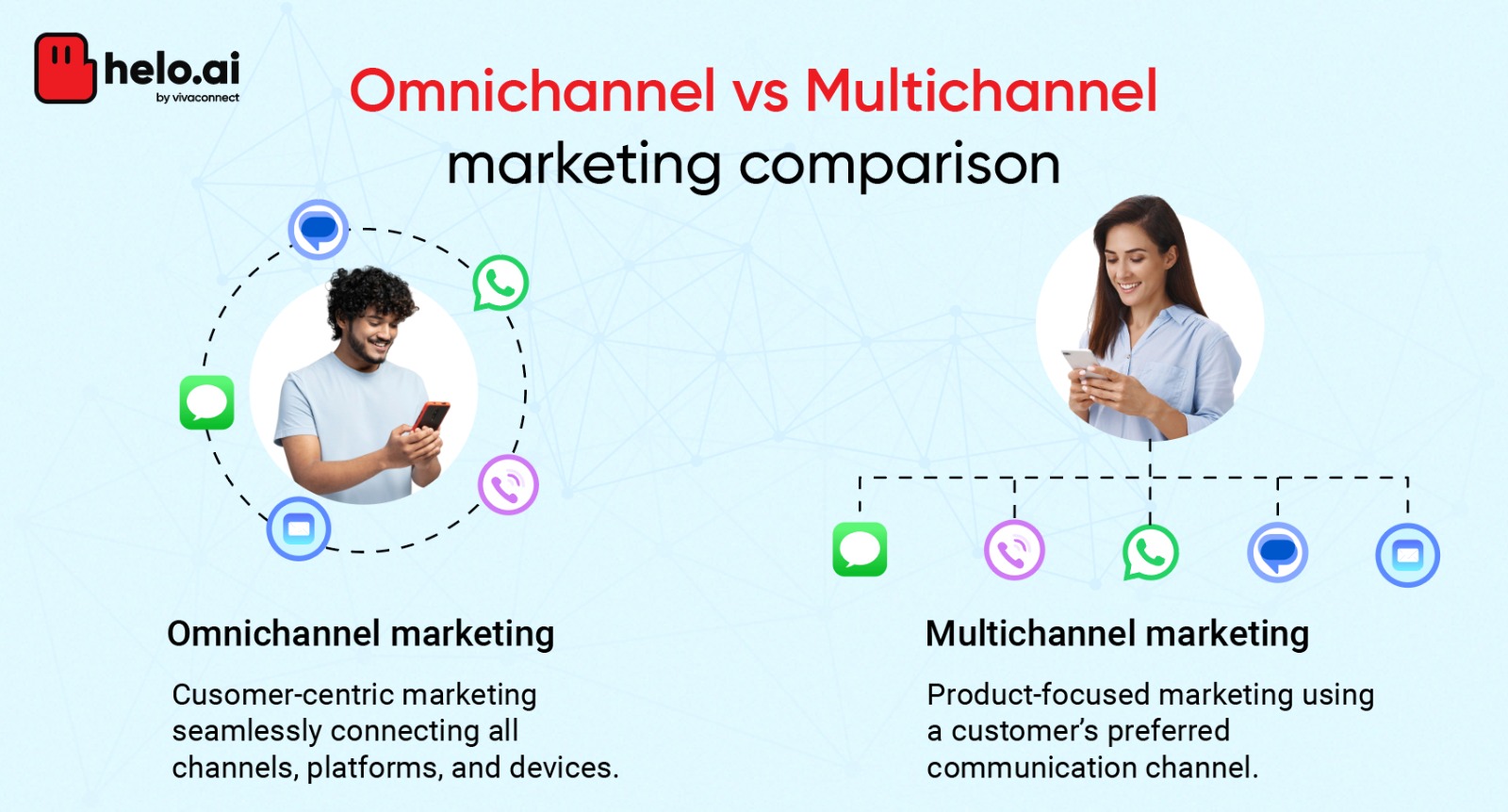
Let’s break this down clearly:
Feature | Multichannel | Omnichannel |
|---|---|---|
Strategy Focus | Channel-first | Customer-first |
Tech Stack | Fragmented tools | Integrated systems |
Data Sharing | Minimal or none | Real-time unified view |
Experience | Disjointed | Seamless and consistent |
Personalization | Generic messages | Contextual, real-time personalization |
Inventory & Fulfillment | Channel-specific | Shared inventory across channels |
Campaign Logic | Manual and repetitive | Intelligent orchestration |
Typical Use Case | Awareness and reach | Conversion, loyalty, re-engagement |
Customer Journey: Multichannel vs Omnichannel
The way your customers move from finding your brand to buying from you, and what happens after, will not be the same in multichannel marketing and in omnichannel strategies. In multichannel strategies, the customer journey happens in different places, like online or in-store, and each one can feel different. This means the customer experience on one channel may not match what you get on another.
But, with omnichannel strategies, the user experience gives your customers one connected journey across all ways to talk or shop with you. An omnichannel customer experience is simple and flows well. People see the same messages and get the same service every time, no matter which platform they use.
When you know what sets these two apart, you can change your plan to get the best results for your business and give your customers a better experience every time.
Multichannel Customer Journey Breakdown
A multichannel marketing path has many steps. Each step is separate. You might see a social media ad at first. Then, you could get another deal from an email. If you visit the physical store after doing something online, the staff there may not know what you did before.
This gap is easy to see during big moments. A clear example is when people leave items in their shopping cart. A person adds things to their shopping cart on your website. Then they leave without buying. Later, that person may get an email talking about their shopping cart. But if this same person walks into your shop, workers do not know about the cart they left online.
They cannot help the person in a special way. The customer data is spread out in many places. Because of this, it is hard to see the full story or make shopping experiences feel smooth for everyone.
Using multichannel marketing lets you talk to more people. But, it can break the way shoppers move through the buying steps. A lot of the time, people need to give the same information again in each channel, or they have to start over. This can make them feel upset and they may choose not to buy from you.
Omnichannel Customer Journey Breakdown
An omnichannel approach puts all steps of the customer journey together as one. For example, someone may see a product on your website first. Then, they could place it in their cart using your mobile app. Later, that same person might finish the buy at a physical store. With this way, their choices and actions follow them from place to place. This gives a single, unified experience for them every time.
All the ways people get in touch with your brand, such as emails, SMS, online chats with support, or even talking face-to-face in your store, all work together. This makes it easy for you to give real-time and personal service every step of the way. If someone leaves things in their online shopping cart, a store worker can see this. When the customer comes in, that worker can help them. They may offer helpful tips or discounts that the customer will care about.
This setup is great for customer retention. People get helpful and personal service at every step. Marketing campaigns, loyalty programs, and customer support work together with this connection. This helps each customer feel noticed, whether they are online or offline. That makes them want to come back to your brand.
When to Choose Multichannel Over Omnichannel
There are times when multichannel retailing is the better choice. If your business is focused on a specific channel, like a physical store or selling online, multichannel marketing lets you get to more people.
You do not have to spend a lot of money to connect all your systems. This is good for companies with less money to use. It is also good for trying out new ideas or talking to new groups of people. You may not give the same customer experience in every place, but there is more flexibility. You can shape each specific channel to work for your business or for what different people need in the market.
Business Scenarios Where Multichannel Excels
Multichannel marketing can be a good choice in some situations, like these:
- Businesses that want to reach different customer segments use special channels. They may send out separate email messages, SMS texts, or in-store deals.
- Companies often run campaigns for a certain season or event. Using a message that fits each channel works better than sharing the same one everywhere.
- Brands looking to go into new markets must find the right way to talk to people. They should use the best way to reach people on different platforms or in different regions.
For example, a local store can use print ads and in-store offers more during the holidays. At the same time, it can keep its own website up and running all year. This mix helps the business reach more people and try out new marketing approaches. It does so without making the work feel too hard or mixed up.
In examples like these, using a multichannel marketing plan helps the business reach its goals. It also keeps costs and everyday work from becoming too much. This is good when you want to bring everything together later on.
Common Challenges in Maintaining Multichannel Systems
Working with more than one independent marketing channel can bring a lot of problems:
- It can be hard to get customer data from different platforms all in one place. This can lead to broken insights. You might also miss a chance to give people a personal feel when they use your service.
- Managing inventory is not easy because each channel may need a different way to track items. This means there is a bigger risk that things can get mixed up.
- Automation does not always work well if the marketing automation software does not pull campaign or customer details from all channels.
These problems can get even bigger when a business changes from using more than one way to reach people to going all in with omnichannel marketing. The company has to spend money on new systems. It also needs to teach people at the company again. Sometimes, it may even have to change the way people do their work to bring messages and inventory together.
If there is no proper integration, messages can feel scattered. This can make customers feel unsure or feel left out because they want a smooth experience. To get past these problems, good planning and the right kind of spending on technology and people are needed.
Real-World Examples: Omnichannel vs Multichannel Marketing
Learning from top companies can help you decide what to do next. Real examples show how omnichannel marketing can make the customer experience smooth and interesting. A multichannel marketing plan lets brands reach all types of buyers in a way that works for them. Big companies like Apple, Whisker, and Allbirds use omnichannel strategies.
They do this to build customer loyalty and let their business grow. On the other hand, banks like HSBC and local shops choose multichannel marketing. This is so they can meet customer needs with different campaigns. These stories show that both marketing approaches can change the customer experience and affect business results.
Brands Succeeding with Omnichannel Strategies
Several brands have set a high bar for how to do omnichannel retail the right way. They use digital channels and make sure all their customer touchpoints are linked. Some good examples are:
- Whisker used AI-powered personalization and marketing on different channels. This helped the company double its conversion rate and make more money.
- Allbirds, a fashion brand, put together its online and in-store sales. They let people buy things in a store and get them shipped home. This way of shopping is now in more than 20 places around the world.
- Jenni Kayne grew by teaming up with Shopify Plus and POS. It helped them with inventory management and keeping customer details straight in both their stores and online.
- Toby’s Sports started click-and-collect and made checkout easy. Their sales grew 13.5 times after using these omnichannel strategies.
These brands show how omnichannel marketing brings the customer experience together. It helps you build loyalty, keep your customers, and make your business grow faster. When you use good omnichannel strategies, digital channels, and inventory management, you set up the way for success.
Companies Leveraging Multichannel Approaches
Some organizations do well with a multichannel marketing approach. They make sure to be on many channels at the same time. In this way, they keep their marketing efforts for each channel separate. Here are some examples:
- HSBC ran special campaigns on WhatsApp. This gave them high engagement rates. They used the communication channels that their customers liked the most.
- Retailers might offer something on email, social media, and physical ads. Each communication channel has its own message and a different call to action.
- When brands go into a new market, they change what they do to fit local customer preferences. They might use SMS, online platforms, and print, each on its own.
- Some companies use paid search to help people find them online. At the same time, they run promotions in stores as their own thing.
By creating different plans for each section and channel, companies can reach more people. They also show customers that they know how to meet their needs. Even if the experience is not all one big easy journey, this way of multichannel marketing lets them use various channels well. It can be a good first step before they move to a more unified way.
Technology & Data Integration in Both Approaches
Technology and the way we use customer data play a big part in both Omnichannel marketing and multichannel marketing. With multichannel strategies, each spot where you talk to customers often keeps its own data. This makes it hard to make things feel personal for people or really know about them. Omnichannel marketing uses smart technology to pull all your customer data into one place.
This lets you change what you show your customers right away and helps people move from one channel to the next without trouble. Things like automated systems, AI, and tools that look at data together can help create marketing that cares more about what the customer needs. If you want a good marketing strategy that fits what people expect now, you have to understand digital tools and know how to put all your data together.
Digital Tools Powering Omnichannel Execution
If you want to use an omnichannel marketing strategy, you need good digital tools. The right tools make it easy for all your channels to work together. They help make sure the data flows well and there is seamless integration. You will use different platforms for this.
- Marketing automation software brings all your campaigns together. You can use it for email, SMS, social media, and websites. It helps you get your message out everywhere.
- Customer data platforms (CDPs) bring together customer data like behavior, what they buy, and what they like. You get one simple view of every customer.
- AI-powered personalization tools use real-time customer data. They let you change your messages while people use your brand. Each user gets messages meant just for them.
- Inventory management systems make sure your stock and order details are up to date both in your store and online, and they do this right away.
Using these digital tools helps brands give a consistent customer experience. They make it easy to update marketing campaigns quickly when customer behavior changes. If you want to move from multichannel to omnichannel marketing, you will need some new tech. This can break down barriers and let your marketing strategy work as one team, not several different parts.
Read This Next: RCS vs SMS: What’s the Difference and Which One Should You Use?
Role of Data Integration in Omnichannel and Multichannel
Data integration is very important to make omnichannel marketing work. It makes multichannel marketing better too, but not in the same way. In an omnichannel approach, it matters to have all customer data together in one, easy-to-find place. This makes every offer feel more steady and personal to people.
When you use the details from what people buy, what they look at, and how they act with your brand, you can know what your customers need. This helps you give offers they want at the right time. This is how omnichannel marketing can really work well.
Multichannel marketing, unlike some other ways, often keeps customer data in separate spots. Each channel collects its own data. Because of this, it can be hard to see all the customer information together. This can cause people to get the same message several times or get messages that do not match what they want.
To give people a unified experience and meet what they want, you need to use data integration tools. These tools help connect every spot where a customer gets in touch with your brand. When you do this, your marketing gets better. You get a good view of the customer. You can know more, and you build a strong bond with your audience. This helps you understand them well.

Which Strategy Is Right for Your Business?
The real decision isn’t about right or wrong it’s about readiness.
Here’s a quick diagnostic:
Ask Yourself... | If "Yes", Consider... |
|---|---|
Do we use more than 2 customer-facing channels? | Omnichannel |
Are we struggling with fragmented customer data? | Omnichannel |
Are we duplicating effort across teams? | Omnichannel |
Do we lack integration between campaign tools? | Multichannel (for now) |
Is cost or team skill the current limiting factor? | Multichannel |
Most growing enterprises start multichannel and graduate to omnichannel as they scale. This transition usually happens when customer experience becomes a competitive advantage.
And the good news? With the right tools, that transition doesn’t have to be complex.
How Helo.ai Helps You Go Omnichannel, Effortlessly
If you're ready to move beyond disconnected campaigns, Helo Broadcast makes it simple.
With one smart campaign, you can reach customers across SMS, WhatsApp, RCS, and Voice without spamming or duplicating messages.
With Helo Broadcast:
- You choose channels based on your goal and get maximum results on your campaign.
- Falls back intelligently if a message isn’t seen
- Stops the moment your customer responds
It’s built for teams that want maximum reach with minimal noise — and results that speak for themselves.
⭐️ Get "The Ultimate Enterprise Messaging Playbook" for free. Download Here!
Ready to make that shift?
Then maybe it’s time to say Hello to Helo 👋
Conclusion
To sum up, it is important to know the difference between omnichannel marketing and multichannel strategies if you want to increase customer engagement and loyalty. Both of these ways have their own good points. If you use omnichannel marketing, you give your customers a smooth and connected experience.
This means they feel the same way at each stage, which can help you build better relationships with them. Multichannel strategies, in contrast, use various channels. This helps brands reach people in more ways and meet different needs.
You have to think about what you want for your business and the customer journey. When you take time to do this, you get to choose the best way for you. If you like to take your marketing to the next step, get in touch with us for a free chat. We will help you learn how to use these ways well, so you get the most out of your work.
Frequently Asked Questions
Which is more effective—omnichannel or multichannel—for Indian businesses?
Omnichannel marketing can help Indian businesses get better customer engagement and give people a good experience. This is often true, especially in places with a lot of competition. A multichannel approach can still help, though. This is good for brands that do not have a lot of resources. A multichannel approach is also useful for new brands that want to reach more people.
Can small companies in India implement an omnichannel strategy easily?
Small companies can also use an omnichannel strategy. But, they may have to spend money on new technology. They will also need to give time to marketing efforts. This is not always easy in the Indian market. The best way for them to start is by picking tools that work with each other. They should focus on the main channels first. This can help them grow and handle more things in a good way.
What’s the main challenge Indian brands face during the switch to an omnichannel approach?
The biggest problem for Indian brands that want to use an omnichannel approach is making sure all the customer data fits and works together. To make a consistent customer experience, brands need to put all customer data from different places into one spot. They have to spend a lot of time, money, and effort on new technology and training their team. This can be hard, but it is needed to give people a good and steady customer experience.
Can you explain the main differences between omnichannel and multichannel marketing in simple terms?
Omnichannel marketing brings all the marketing channels together. It helps give the customer a smooth and personal experience. In this, the customer is at the center of everything. Every time they interact, it feels the same on each channel.
Multichannel marketing is not the same. It uses more than one channel, but each channel works on its own. The main thing that sets these two apart is who they put first. Omnichannel marketing focuses on the customer journey and making all the steps work together well. Multichannel marketing is about trying to reach more people by using separate marketing channels.
What are some real-world examples of companies successfully using omnichannel versus multichannel marketing?
Brands like Apple and Allbirds do a great job with omnichannel marketing. They put together online and in-store shopping, so people feel like it is all one smooth experience. Companies like HSBC, and some local shops, use multichannel marketing. They use email, social media, and regular ads at the same time, but each one can feel a bit different. This helps them talk to many people by making messages fit with what each group wants.
Is Amazon multichannel or omnichannel?
Amazon is seen as an omnichannel marketer. The company lets people shop in many ways. You can use its website, mobile app, or go to one of its stores. It works hard so that you get the same good service at every place. You can use various channels when you shop, and your details stay the same no matter where you go.
What are the biggest advantages of using an omnichannel strategy over a multichannel one?
Using an omnichannel strategy is good for your business. You can get higher customer engagement, keep more customers, and give a smooth experience for all. People feel like they get the same personal service every time they reach out to you. Because of this, they feel more happy and are more likely to stay loyal to your business than if you just use a multichannel approach.

.jpeg&w=96&q=75)