.jpeg)
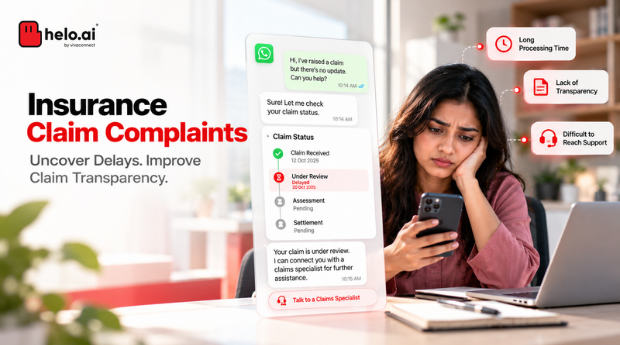


For insurance providers, settling a claim is only part of the job. Customers also need to understand what's happening, why a decision was made, and how the final settlement was calculated.
But when complaints arise, where does the claims process fall short?
Data reported by the Ministry of Finance in Parliament for FY2024–25 highlights three key concerns: unresolved claims, rejections without reasons, and differences between assessed losses and settlement amounts. The percentages below are shares of claims-related complaints, which made up about half of the 257,790 complaints registered on the Bima Bharosa portal that year.
These complaints offer insurers a starting point to understand where customers face difficulties and what may need closer attention.
1. Unresolved Claims: Customers Are Left Waiting
15.07% of reported complaints concerned claims that had not been disposed of.
Not every delay means an insurer has made a mistake. Some claims need additional documents, investigation or assessment. But customers should still know where their claim stands and what happens next.
For example: A customer submits a health insurance reimbursement claim. Days later, they check its status and are told it is under review. They don't know whether more documents are needed or when they can expect an update.
For insurers, this raises two questions: What's holding up the claim, and is the customer being kept informed?
Reviewing pending cases, common delays and repeated follow-ups can help identify where the process needs attention.
2. Rejected Claims: Customers Don't Understand Why
6.54% of reported complaints concerned claims rejected without reasons. Cafemutual reports that this share was 3.15% in FY2023.
A claim may be rejected under the terms of a policy. But customers still need to understand the reason behind the decision.
For example: A motor insurance customer receives a rejection notice but cannot understand which policy condition applies to their accident. They contact customer support for an explanation.
The issue may not be the decision alone. It may also be how that decision was communicated.
Insurers should review whether rejection letters clearly explain the reasons, refer to the relevant policy terms and use language customers can understand.
A clear explanation may not prevent disagreement, but it helps customers understand the decision.
3. Settlement Disputes: Why Is the Amount Different?
2.40% of reported complaints concerned differences between assessed loss and the amount settled.
The amount a customer expects may differ from the final settlement because of policy limits, deductibles, exclusions or the assessment of the loss. A difference does not automatically mean the settlement is incorrect.
For example: A customer submits a motor insurance claim expecting the full repair estimate to be covered. The insurer offers a lower amount, but the settlement communication doesn't clearly explain the deductions.
The customer is left wondering how the final figure was calculated.
Insurers should make settlement breakdowns easier to understand by explaining the assessment, applicable deductions and the basis for the final amount.
What Do These Complaints Tell Insurers?
Each complaint points to a different question:
- Unresolved claims: Is the claim progressing, and does the customer know what happens next?
- Rejected claims: Has the decision been explained clearly?
- Settlement disputes: Can the customer understand how the final amount was calculated?
Planning claims messaging? The free Enterprise Messaging Playbook covers channel strategy, cost and delivery, and compliant messaging frameworks.
The figures don't prove that poor communication causes these complaints. They do, however, give insurers specific areas to investigate.
By reviewing complaints alongside claim timelines, decision records, settlement details and customer follow-ups, insurers can look for recurring problems and understand where their processes may need improvement.
Making the Claims Journey Easier to Understand
Reducing complaints isn't just about responding faster. It's also about giving customers useful information at the right time.
A customer with a pending claim needs a meaningful update. Someone whose claim has been rejected needs to understand why. And a customer questioning a settlement needs a clear breakdown of the amount.
Communication cannot fix every delay or disagreement. But it can help customers understand what's happening instead of leaving them to chase answers.
For insurance providers, the goal is not just to deliver a claims outcome. It's to make the process behind that outcome clearer and easier for customers to navigate.
Frequently asked questions
What do insurance claim complaints in India concern?
In FY2024–25, claims made up about half of insurance complaints. Within claims complaints, 15.07% concerned claims not disposed of, 6.54% rejections without reasons and 2.40% differences between assessed loss and settlement.
Does poor communication cause insurance claim complaints?
The data does not show that. The figures point to areas insurers can investigate, such as claim status, rejection reasons and settlement breakdowns, alongside claim timelines and decision records.
What should an insurer do when it rejects a claim?
Explain the reason in plain language and refer to the policy term that applies. A clear explanation may not prevent disagreement, but it helps the customer understand the decision.
Want to see how this could work for your claims team? Talk to the Helo.ai team.