
Mumbai, July 2, 2026 — The Government of India has asked WhatsApp to pause the rollout of its proposed usernames feature until consultations with regulators and stakeholders are complete. In a notice to WhatsApp's India compliance office, the IT ministry gave the company three days to respond, citing risks around fraud, phishing and impersonation.
The feature would let people connect on WhatsApp using a unique handle instead of sharing their mobile number — a change positioned globally as a privacy upgrade, but one Indian authorities fear could weaken identity verification.
What the government has flagged
Officials have raised a specific set of concerns about how usernames could be misused in India:
- Cyber fraud and phishing — bad actors reaching victims without ever revealing a number
- Impersonation of public figures, brands and government bodies through look-alike handles
- "Digital arrest" and payment scams that rely on posing as a trusted authority
- Harder identity tracing in investigations, since accounts today are tied to verified SIMs
The notice also references the Telecom Cyber Security Rules, 2024, which reinforce SIM-based verification, and provisions of the IT Act dealing with identity theft and cheating by impersonation. The move follows India's recent scrutiny of Telegram over similar anonymity features.
What WhatsApp says
WhatsApp has pushed back on the idea that the feature is already exposing users:
- The username messaging ability is not yet live and will roll out gradually later this year
- Usernames have been reserved for public figures, government entities and verified accounts to limit impersonation
- The feature is optional and designed to let users connect without sharing personal numbers
The industry view: it comes back to proving who is messaging you
For the enterprise communications industry, the debate lands close to home.
"Every fraud problem in messaging eventually comes back to one question: can you actually prove who is on the other end?" said Vikram Raichura, Founder & Managing Director of Helo.ai. "A phone number isn't a perfect identity signal, but in India it has become a practical one it creates accountability and a trail. The moment you introduce a public handle anyone can reserve, you also introduce a new surface for impersonation."
His point is not that privacy features are the problem — it's that verification has to ship with them, not after.
"That's not a reason to stop innovating on privacy. It's a reason to build verification in from day one, instead of bolting it on after the first wave of scams."
Why this matters for businesses
Raichura noted that impersonation risk is sharpest for brands, which scammers routinely mimic to trick users into sharing OTPs or making payments:
- A handle that resembles a bank, delivery service or government helpline makes deception easier
- For a consumer, the damage is a fraudulent transaction — for a business, it's trust in the brand itself
- As platforms open up to anonymity, verified sender identity becomes a competitive advantage, not just a compliance checkbox
"When a customer gets a message that looks like it's from their bank or their favourite retailer, they should be able to tell in a second whether it's genuine. Privacy for individuals and verifiability for businesses are not in conflict — you can, and should, have both."
The way forward: privacy with guardrails
Raichura was careful not to frame the government's caution as anti-privacy. The right outcome of the consultation, he argued, is not a permanent block — it's a rollout with strong anti-abuse systems:
- Rate limits on how often usernames can be changed
- Detection of look-alike handles that mimic trusted names
- Fast takedown of confirmed impersonators
- Verified identity for anyone messaging at scale or on behalf of a business
"Get those guardrails right and India can have privacy-friendly messaging without turning it into a playground for fraud."
His advice to businesses: use this moment to audit how they reach customers, and lean on verified, authenticated channels rather than easily spoofed ones.
Key takeaways
- India has paused WhatsApp's usernames rollout and sought Meta's response within three days
- The core worry is impersonation and fraud in a market where identity is tied to mobile numbers
- WhatsApp says the feature isn't live yet and will roll out slowly with reserved usernames
- Industry view: the fix is verification and anti-abuse safeguards, not blocking innovation
- For enterprises, verified business messaging is now central to protecting customers and brand trust
The consultation between the government and Meta is ongoing, and the rollout in India remains on hold pending its outcome.
About Helo.ai
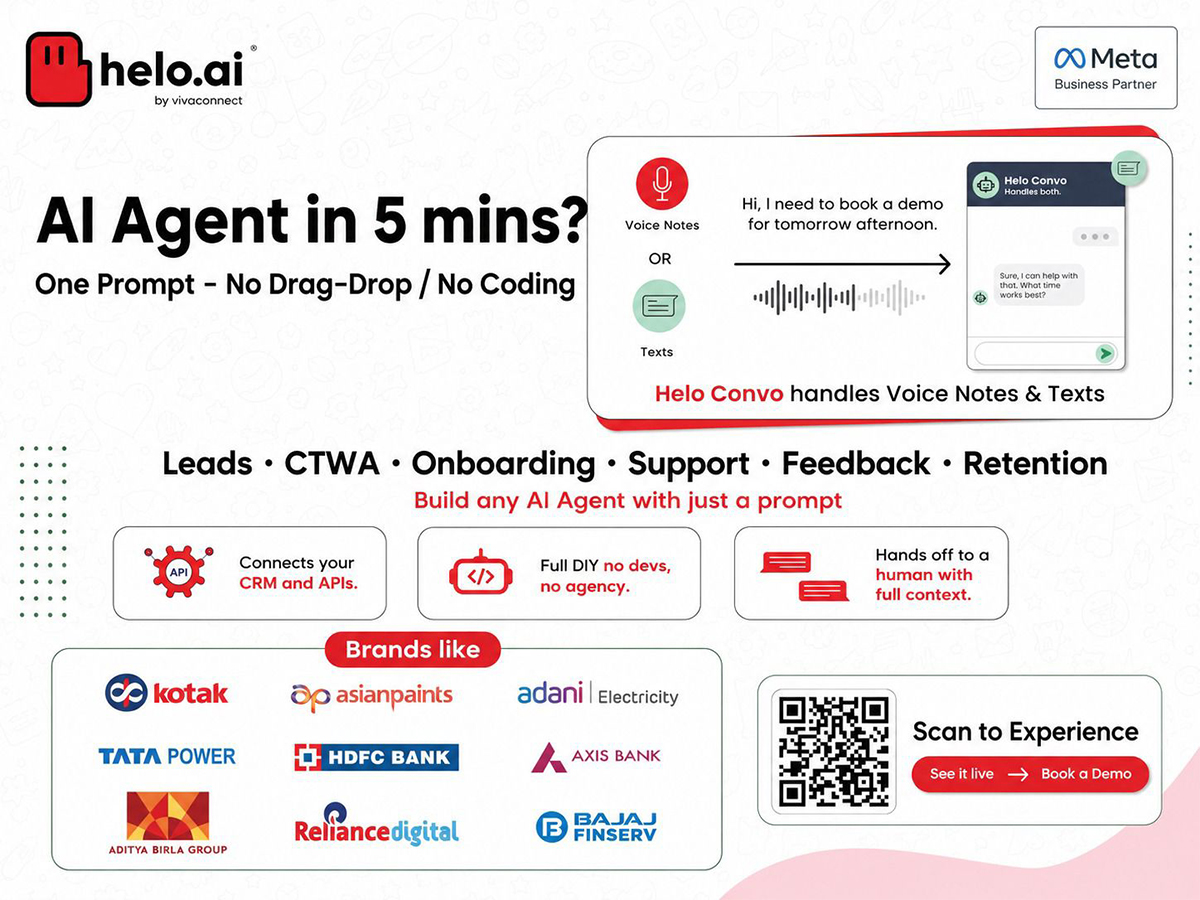
Helo.ai, by VivaConnect, is an AI-powered customer engagement and CPaaS platform that helps enterprises connect with customers across SMS, WhatsApp, RCS, voice and chat. With a focus on verified, secure and conversational communication — including fraud-prevention and authentication tools such as Helo Verify — Helo.ai works with leading banks, financial institutions and enterprises to make business messaging smarter, safer and more human. Learn more at helo.ai.
.png&w=828&q=75)
.png&w=828&q=75)